![[Bild]](/common/img/default.png)
This is Lund
This is Lund
• Tourist information
• Visitor's guides
• Lund Greeters
Lund is today Sweden's oldest city with a history going back over thousand years. Lund is also
one of the largest university cities in the Nordic region and a city of humor. Here you will
find an overview of Lund, making it easier for you as a tourist and visitor to get an overview
of the most interesting and special things about Lund as a destination.
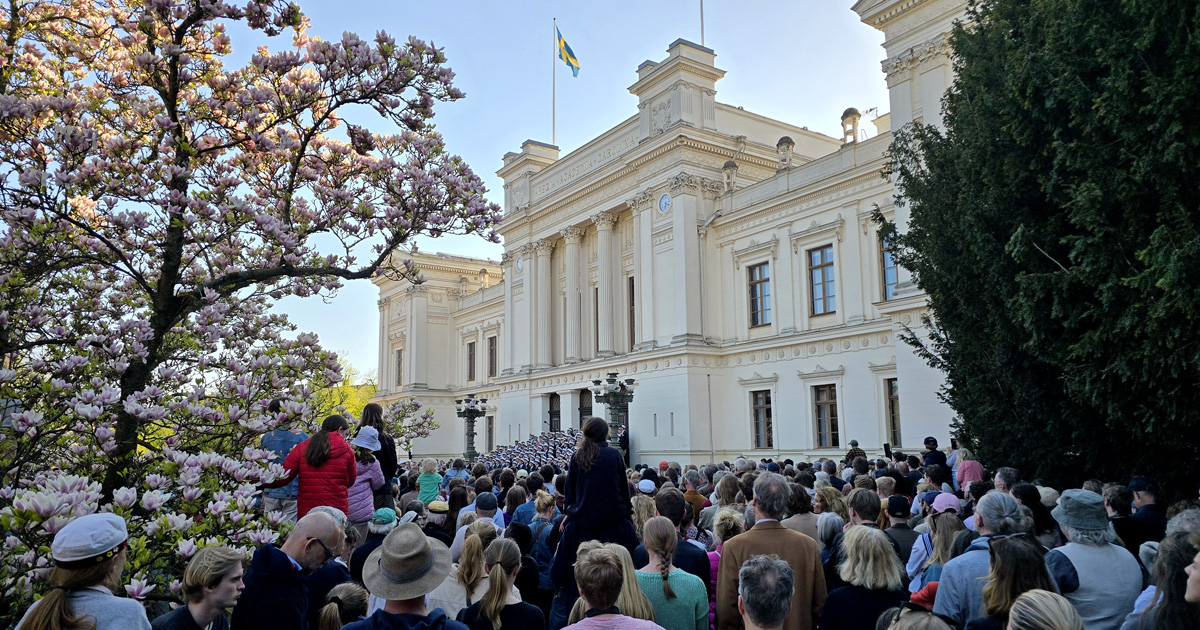 1 May each year, Lund's student singers perform at the steps of the University Main Building,
singing traditionally Swedish spring songs.
1 May each year, Lund's student singers perform at the steps of the University Main Building,
singing traditionally Swedish spring songs.
One of the largest university cities in the Nordic Region
Thers are about 100,000 inhabitants living in Lund city. In addition, one of the largest universities in the Nordic region with about 47,000 students and 8,800 employees is located here. Although not all those students live in Lund, many do, so the university and its students are very visible in the city and contribute to the special atmosphere. The University also contributes to making Lund a research city with international research and many high-tech companies. Due to the university, Lund is also a city of humor, which culminates in the Lund Carnival every fourth year. A good and pleasant way to experience the university city of Lund is to visit the annual events in connection with Last of April and first of May.
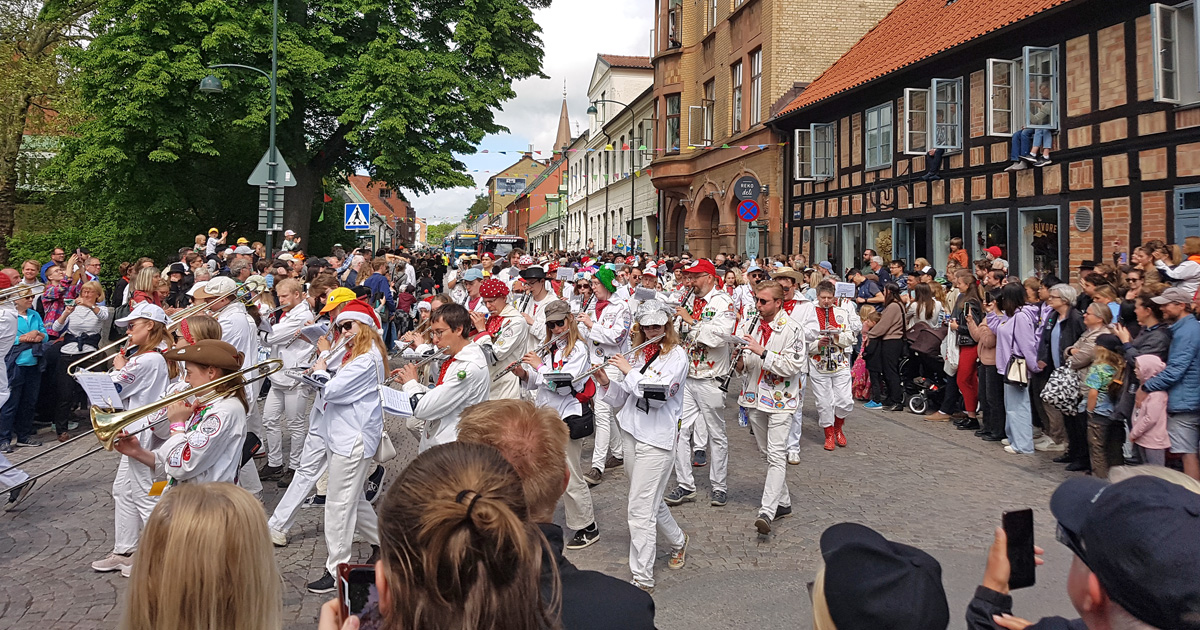 The Lund Carnival every fourth year, one of the largest recurrent events in Lund.
The oldest city in nowadays Sweden
What makes Lund such an interesting and unique tourist destination is its rich and complex history spanning over a thousand years. On the map below, you can see a grey area at the center of what is Lund today. This grey area represents the entire urban area of Lund for 900 years, from the 960s until the latter half of the 19th century. Since then, in just 150 years, Lund has grown into today's relatively large city.
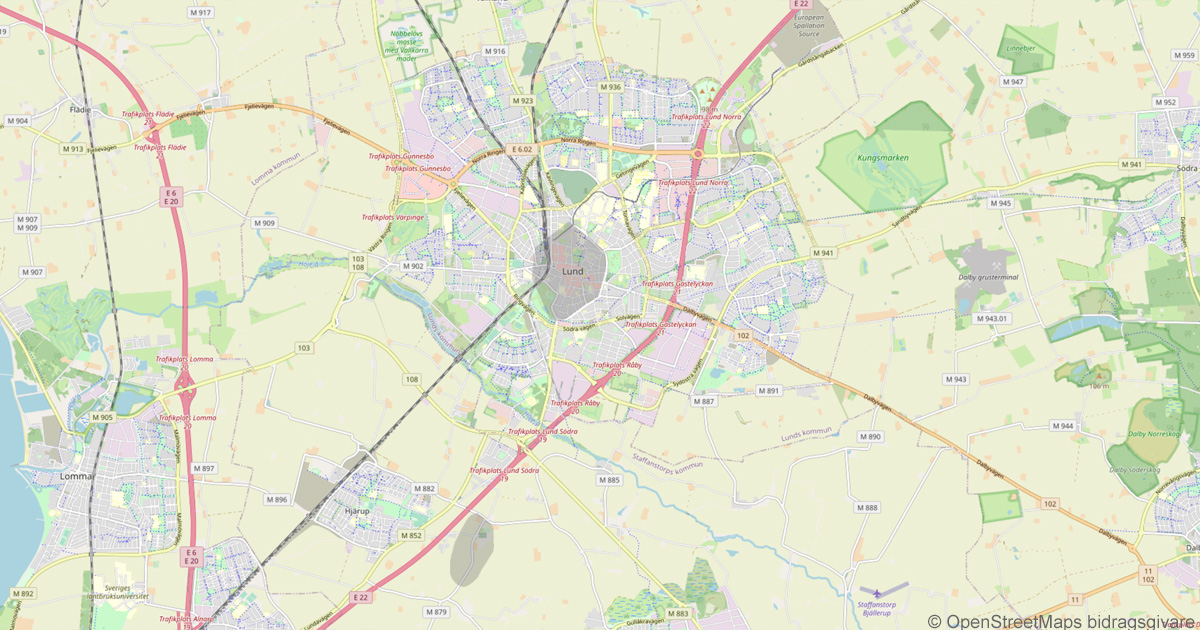 Lund's forerunner Uppåkra in the south, and Lund's Viking Age and medieval city in the middle
of today's Lund.
Lund's forerunner Uppåkra in the south, and Lund's Viking Age and medieval city in the middle
of today's Lund.
The grey spot south of Lund is a village today called Uppåkra. The place was the forerunner to Lund and was probably called Lund. Uppåkra arose as a settlement about 100 years before Christ and grew over a thousand years into northern Europe's largest Iron and Viking Age urban area, although it did not resemble a traditional town with blocks, yards and streets. Today, there is nothing left of the Viking Age site, and the area will be subject of archaeological investigations for the foreseeable future.
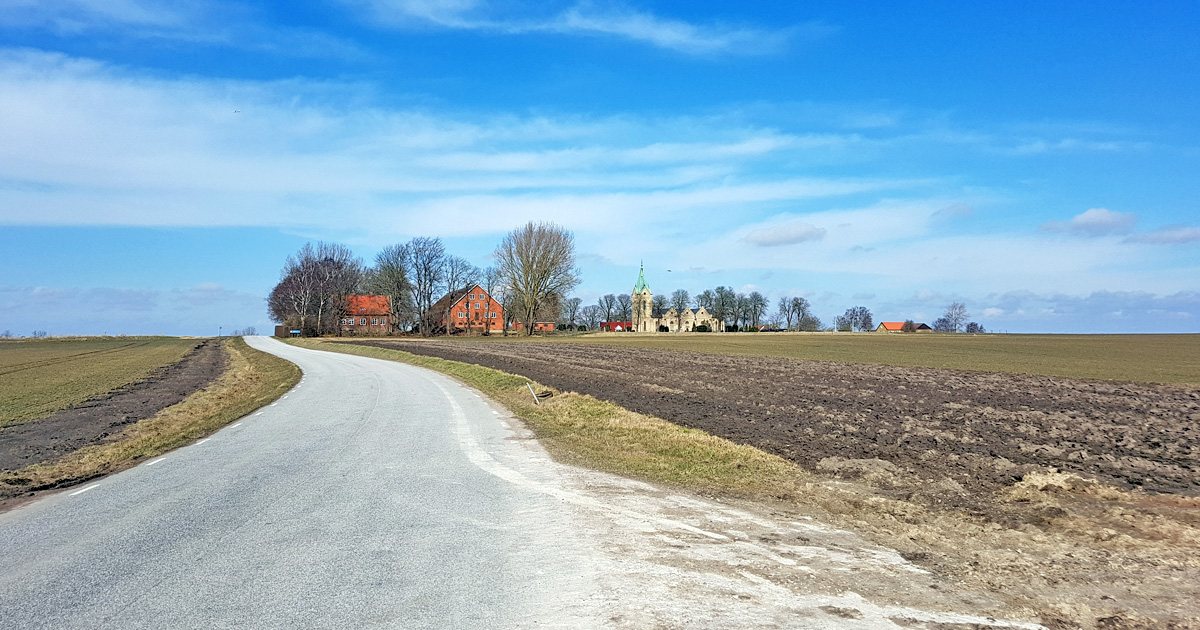 The place where Lund's predecessor, now known as Uppåkra, was located, is today mostly
agricultural landscape.
The place where Lund's predecessor, now known as Uppåkra, was located, is today mostly
agricultural landscape.
Sweden's most fascinating Viking Age destination
Information from the chronicle Gesta Wulinensis ecclesiae pontificum, which can be translated as The History of the Wolin Bishops, has shed new light on Lund’s earliest Viking Age history in a way never seen before. This has made Lund to the status of Sweden’s most fascinating Viking Age destination. Now we know that Danish Vikings must have attacked the Viking settlement of Uppåkra no later than the year 964, when they invaded and took control of western Scania. Lund’s first church, Saint Clemens, was built as early as the second half of the 960s. Between 977 and 1004, Princess Helga of Kyjiv ruled in Lund, after she married Harald Bluetooth’s younger brother Toke Gormsson. Around the year 987, King Sweyn Forkbeard made Lund the Christian centre of Denmark and established it as his royal seat as king of Denmark.
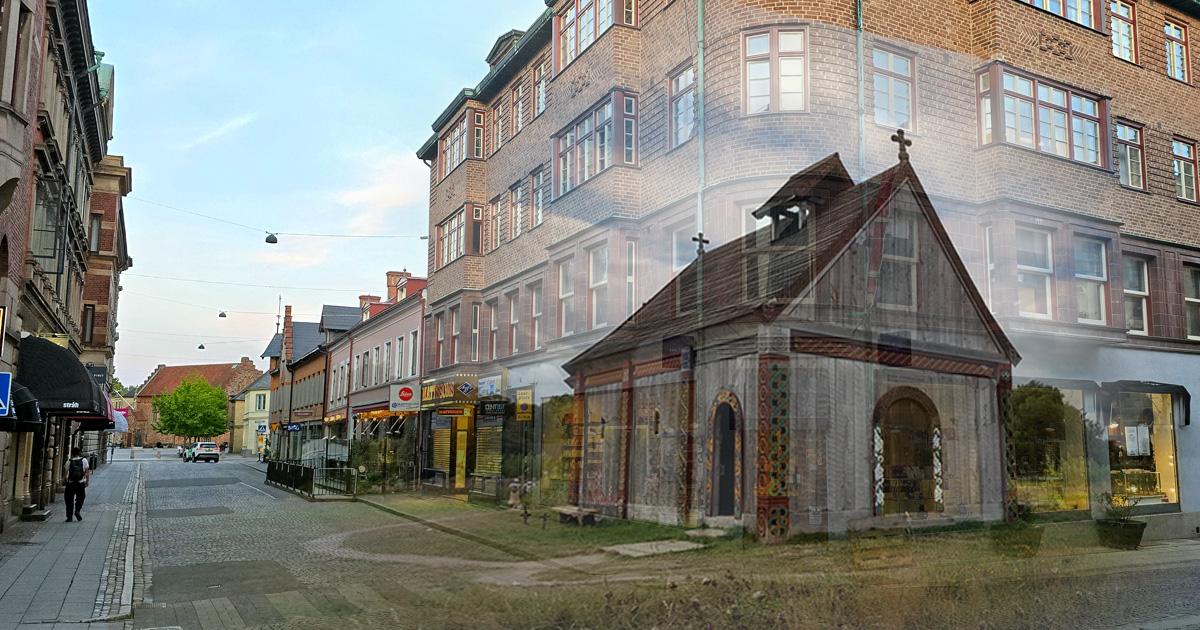 Lund’s first church, Saint Clemens, was built as early as the second half of the 960s.
By order of Princess Helga, Lund’s urban area was established around the year 987, complete with roads and a central square, what is today the main square Stortorget in Lund. Those roads are mostly still there today in Lund's Viking Age centre with streets that are more than a thousand years old. Thanks to information from the chronicle Gesta Wulinensis ecclesiae pontificum, we now know much more about what Lund looked like during that time.
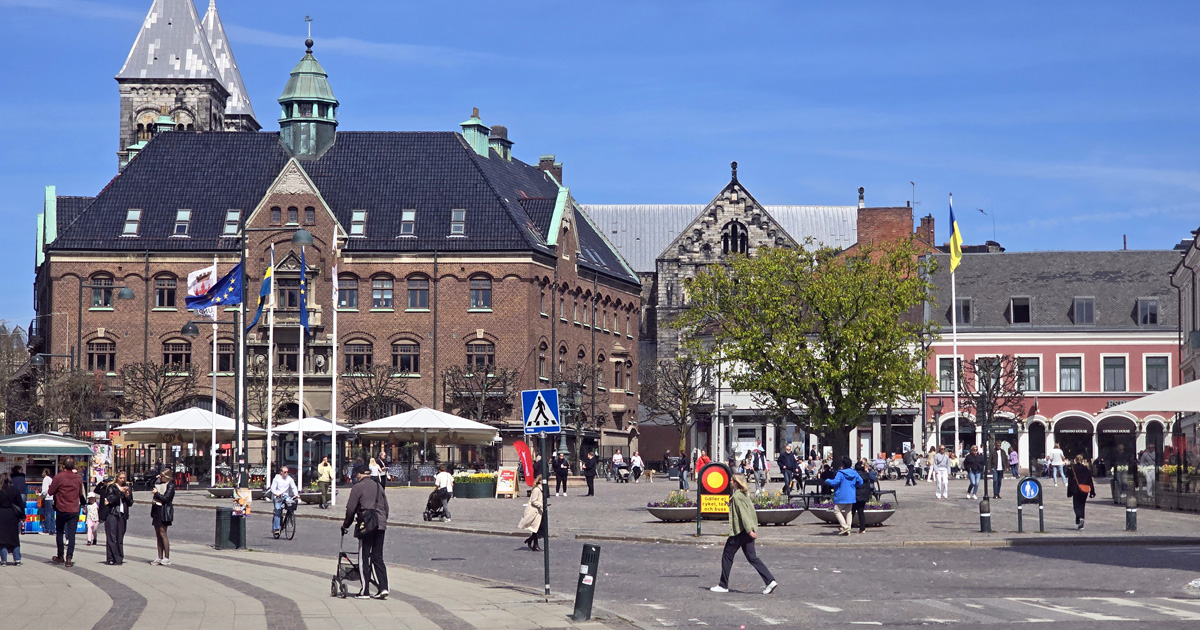 The main square, Stortorget, in Lund was established around the year 987 which make it the oldest square in Sweden.
Lund, the Danish church town
Already in the Viking Age, Lund became an important Danish church town. Early, there were nine wooden churches, two stone churches and some kind of monastery also built of stone. But it was in the Middle Ages that Lund's really had its greatness. In 1103, Lund became the archbishopric of a large church province, including all the Christian Scandinavia at that time. Lund became the administrative and economic center, which remained throughout the Middle Ages. At most, there were 22 churches and four monasteries in the city. Lund's first Cathedral and the first archbishop's church in Scandinavia were demolished after the Reformation but remain today as Drotten's church ruin.
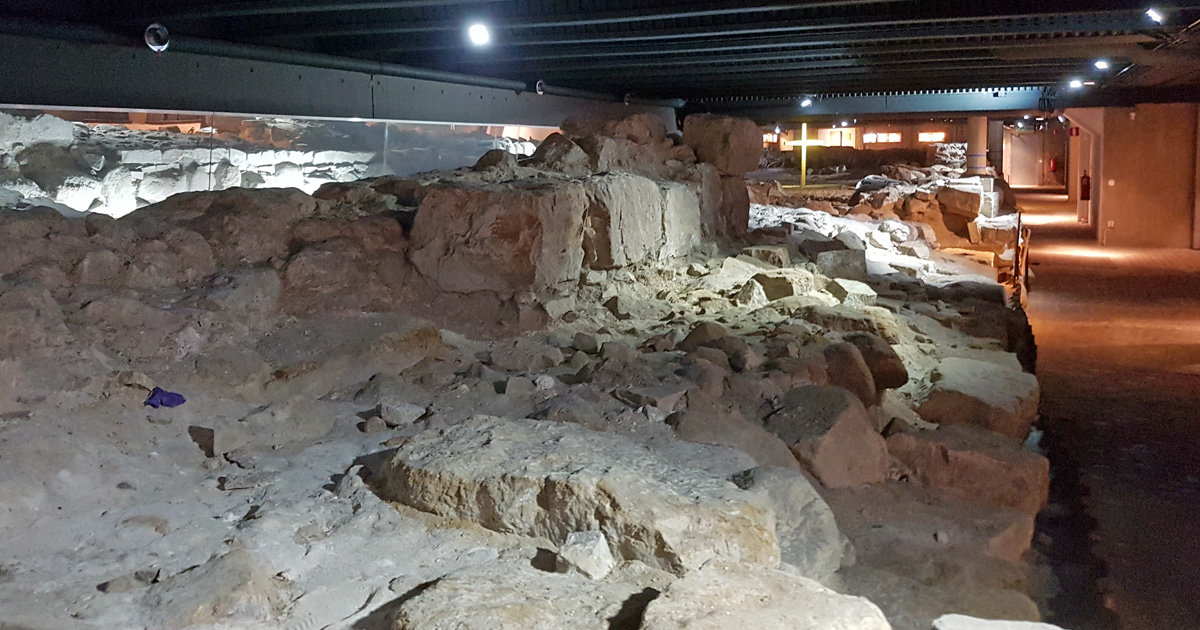 Drotten's church ruin is the remains of what was Lund's first Cathedral and Scandinavia's
first archbishop's church.
Drotten's church ruin is the remains of what was Lund's first Cathedral and Scandinavia's
first archbishop's church.
The Reformation in Denmark, October 30, 1536, count as the end of the Middle Ages and meant a disaster for Lund. Over the next hundred years, Lund lost more than 75 percent of the population, which before the Reformation amounted to about six thousand inhabitants at most. Furthermore, almost all the medieval churches and monasteries were demolished. Only two of them remain today, Lund Cathedral, which now is Sweden's most visited church and Lund's absolute largest tourist destination, and the small, beautiful Monastery Church.
Lund was a Danish city for about 700 years until the peace negotiation in Roskilde February 26, 1658. Now, Lund has been a Swedish city for almost 370 years, but was a Danish city for almost twice as long, so very much of Lund's history is Danish history.
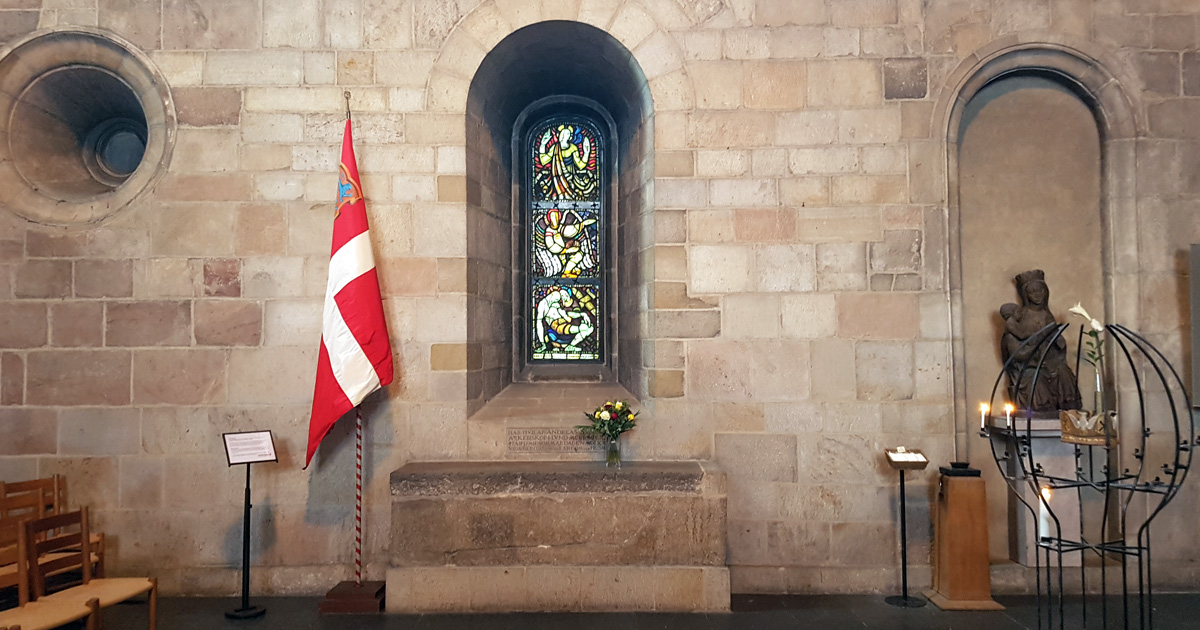 The Danish flag Dannebrog placed at the Danish archbishop Anders Sunesen's grave in Lund
Cathedral.
The Danish flag Dannebrog placed at the Danish archbishop Anders Sunesen's grave in Lund
Cathedral.
Lund, a Swedish University city
Lund University was founded December 19, 1666, eight years after Lund became a Swedish city. The beautiful white University Main Building, one of Lund's most photographed buildings, was inaugurated in 1882. The King Karl XII lived in Lund between 1716 and 1718, and then ruled Sweden from here. Between 1896 and 1899, Lund was the hometown for August Strindberg, one of Sweden's most famous authors. Now, 500 years after the Danish Reformation, Lund has recovered and is the twelfth largest city in Sweden.
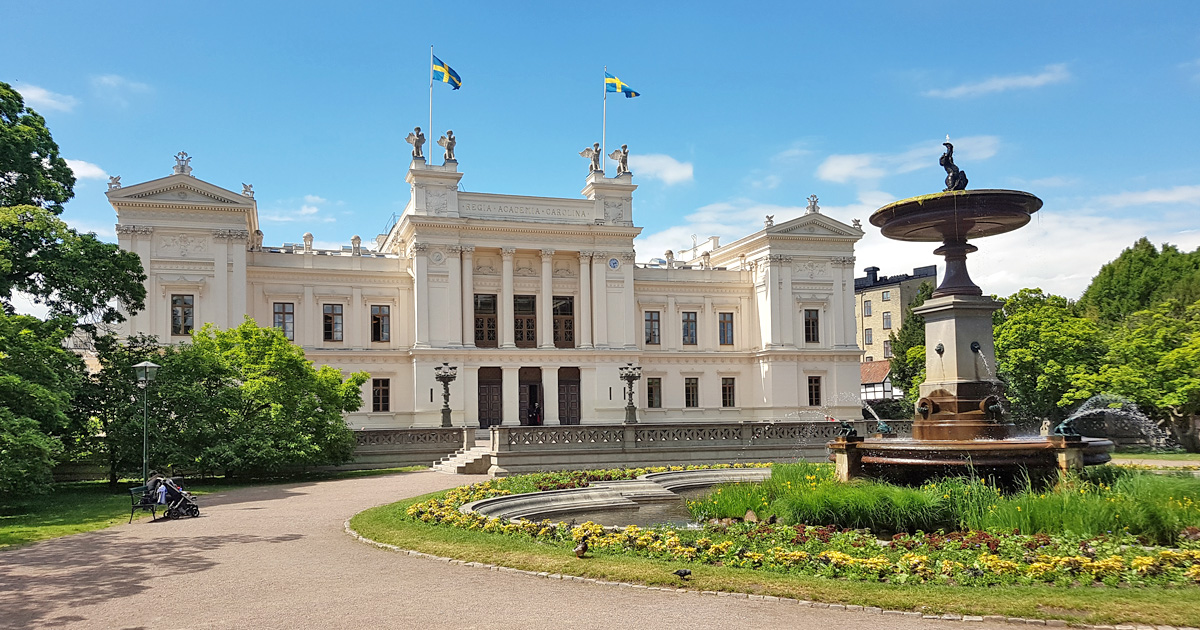 The University Main Building in Lund is one of Lund's most photographed buildings.